Crack In Plaster Wall
If you have plaster walls in your home, chances are youre going to have to repair a crack or hole at some stage. Luckily, Selleys has the perfect product for any. Provides service and products for roof restoration and durability. Lists vendors, company background and contacts. How to Hang Pictures on Plaster Walls. Plaster walls have a tendency to crack and crumble if you attempt to hammer a nail directly into the wall. Adhesive picture. Crack In Plaster Walls Causes' title='Crack In Plaster Walls Causes' />One of the easiest mistakes to make when renovating a historic home is to tear down the old plaster walls and replace them with modern drywall and joint compound. To fashion a strong bond between the old plaster and the patching compound, its important to widen the crack and flare out the edges photo. Crack krk v. cracked, cracking, cracks v. To break without complete separation of parts The mirror cracked. To break or snap apart The branch. ThreeCoat Plaster When plastering walls, plaster must be applied in such a way that it adheres to the support wall surface, bears its weight load without cracking. Supplier of a curated selection of natural stone, porcelain tile, and engineered stone for architects, designers, developers, contractors homeowners. Improve the finish of your painting project by preparing well before you begin. Get more home improvement help at the Selleys. Small aperture LED wall wash with architectural appearance. Wall Wash is offered with four LED options that allow specifiers to choose the LED source they value most. Horizontal Crack In Plaster Wall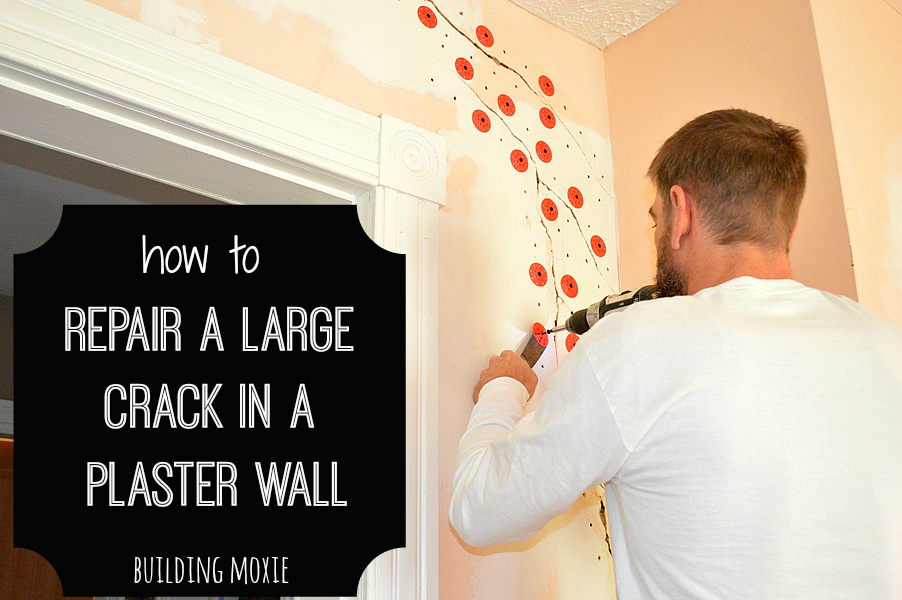 Defects in Plaster, Paint, Wall Coatings, Waterproofing, Chemicals, Wallcoatings. Contents Introduction. Non structural cracks. Structural cracks. Debonding. Lack of hardness. Grinning. Expansion. Popping This leaflet is aimed at the homeowner who wishes to assess whether plaster is acceptable, and if not, what can be done about it. Neither the SABS specifications nor the National Building Regulations have requirements covering plaster quality, and most contract documents are not clear on the subject. This means that it may be difficult to force the contractor to make repairs. Defects most frequently noticed in plaster fall into one of the following categories Non structural cracks Structural cracks Debonding Lack of hardness Grinning Expansion Popping The causes and repair methods for each are discussed below. Crazing is a network of fine cracks, usually in a hexagonal pattern, which measure between 5 and 7. They are usually very fine and shallow and do not extend through the whole depth of the plaster. They are usually the result of overtrowelling a rich mix one with a high cement content or using a sand containing an excessive amount of dust more than 1. Crazing often occurs within a few hours of the plaster being applied to the wall and cracks may hardly be visible until dust or moisture makes them noticeable. Craze cracks are of little importance, do not open and close with time, and can be covered using a reasonable quality paint. If necessary, glass fibre tissue can be applied during the painting operation. Map cracking is similar to crazing except that it is usually deeper sometimes going through the plaster and the hexagons of the pattern may measure up to 2. These cracks normally occur when a plaster mix with a high cement content is used or the plaster is allowed to dry too quickly. Causes of excessive early moisture loss are Evaporation if the wall is not protected from sun and wind. Suction into the walls if the bricks are absorbent and they have not been dampened. Use of a sand that is badly graded and lacks fine material less than 5 by mass passing the 0,0. Not using building lime or a masonry cement when the sand lacks fine material. When the cracks are noticed while the plaster is still plastic, they are often floated closed, only to reappear some time later. These cracks can be filled with a proprietary filler and painted over. Glass fibre tissue can also be applied during painting. Cracking which results when an excessive amount of water is lost from the plaster in the first hours after application is known as plastic shrinkage cracking. Map cracking can be due to plastic shrinkage as can the horizontal cracks which form at corners and between windows. Drying shrinkage cracks are the result of moisture loss after the plaster has hardened. Plaster will always shrink and crack so it is desirable that is should develop a large number of fine, unnoticeable cracks at close spacings. Plasters with very high cement contents and those which are made with poor quality sands having a high water requirement will tend to develop a few, widely spaced cracks. Plaster applied in layers that are too thick will also tend to crack in this way. These cracks are normally stable and can be filled with a proprietary filler and painted over. Some cracks visible in the plaster may result from cracking of the wall. This can be caused by differential movement of the foundations, moisture expansion or drying shrinkage of masonry units, or thermal movement of the roof. This type of crack often forms in straight vertical or horizontal lines, or in stepped diagonal lines, and may be quite unsightly. The crack width will often vary with the seasons. Because these cracks originate in the wall and not in the plaster, repairing the plaster is ineffective. A specialist should be called in to establish the cause of the cracking and to recommend remedial measures. Such measures may include structural alterations which change cracks into movement joints. Visible joints can be hidden by cover strips fixed on one side of the joint or sealed with elastomeric sealants. Debonding of plaster is often noticed as a hollow sound when the surface is tapped. Plaster is inclined to curl and debond from the wall because the outside skin of the plaster that is exposed to the air will shrink at a different rate from the plaster in contact with the wall. Generals Zero Hour Turkey Mod on this page. This is especially true of excessively thick plaster layers. Because debonding is generally the result of inadequate preparation of the substrate, it is important to make sure that the bond between plaster and wall is as good as possible. This can be done by Cleaning dusty or oily walls thoroughly. Allowing the walls to reach the correct moisture content. Using a cement slurry or spatterdash coat before plastering. Using bonding liquids and following the procedure recommended by the manufacturer. Small areas of debonding about the size of a plate are not significant, but larger areas should be removed and replaced. There are no specifications covering the hardness or strength of plaster, and there is no reliable way of measuring it. Evaluation is often carried out by scratching the surface with a hard sharp object such as a screwdriver or a key, and is consequently quite subjective. It is often better to have a slightly weaker plaster that is less likely to show significant cracking or debonding than one which is too strong. However, very weak plasters will be unable to resist impacts, will have reduced resistance to water penetration and picture nails will tend to fall out. They also tend to encourage moss growth on sheltered faces particularly if poor quality paint is used. There are five common causes of soft plaster Insufficient cement The use of sand containing excessive quantities of dust more than 1. The use of a mix with poor water retention properties The addition of extra water some time after first mixing a practice known as retempering Rapid drying due to plastering in full sun or wind The only one of these causes which can be confirmed by testing hardened plaster in the laboratory is that of insufficient cement. Unpainted plaster can be treated with methyl methacrylate products such as Betonseal. These materials may increase hardness to some degree. Painted plaster can only be removed and replaced. The inconvenience of this option has to be weighed up against living with the weak, unsatisfactory plaster. A coat of high quality exterior paint will normally reduce the risk of water penetration to acceptable levels if the plaster is strong enough to hold such a paint. Areas which are particularly susceptible to impact, such as corners, can be replastered with relatively little disruption. Grinning is the term given to the appearance of a plastered wall when the positions of the mortar joints are clearly visible through the plaster. It is caused by the difference in suction between the masonry units and the mortar. Microsoft Access Real Estate Database Template. Raking out mortar joints also causes grinning and the practice should thus be limited to soft clay brickwork. While grinning may be unsightly, it is unlikely to lead to further cracking. The choice is to live with it, or to remove and replace the plaster. Application of an undercoat or a spatterdash coat before plastering will help to avoid grinning. This includes swelling, softening, layer cracking and spalling of the plaster. It is usually caused by the inclusion of proprietary gypsum based products in the mix.